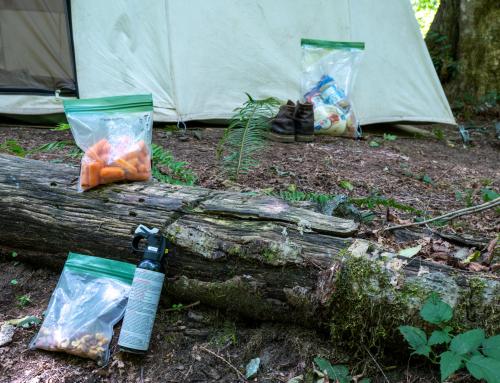
You did everything right. Scent-free soap, carbon suit hung outside overnight, boots sprayed down before you left the truck. You played the wind. And the deer still hung up forty yards out, head up, testing the air, before turning back into the timber.
It happens more than anyone wants to admit, and the reason usually isn’t your routine. It’s what’s sitting in your pack. Most scent control for hunting focuses entirely on the hunter: body, clothing, boots. It stops there. But a granola bar wrapper, a stashed base layer, or a game bag from last season is broadcasting the whole time you’re sitting still doing everything else right. This post is about that gap, and how to close it.
What Carbon Suits and Sprays Actually Do (and Where They Stop)
Carbon-lined clothing works by adsorbing odor molecules coming off your body (sweat, breath, skin oil) as they pass through the fabric. Scent-elimination sprays neutralize or mask odor on a surface, usually gear or boots, at the moment you apply them. Both are legitimate tools, and plenty of hunters build their whole system around them.
But both have a scope, and it’s worth being honest about it. Carbon has finite capacity. It saturates, and it needs heat or sun exposure to regenerate between hunts. Sprays wear off over the course of a sit; they’re strongest in the first hour and fading by the third. Neither one does anything about a scent source that isn’t you. If there’s a sandwich in your pack or a used base layer in a side pocket, a carbon suit isn’t touching it, and neither is a spray you applied to your boots that morning.
That’s not a flaw in those products. It’s just not what they’re built for.
The Scent You Carry In
Here’s what most hunters don’t think about as part of their scent routine, because it doesn’t feel like part of the routine. It feels like just stuff in the pack.
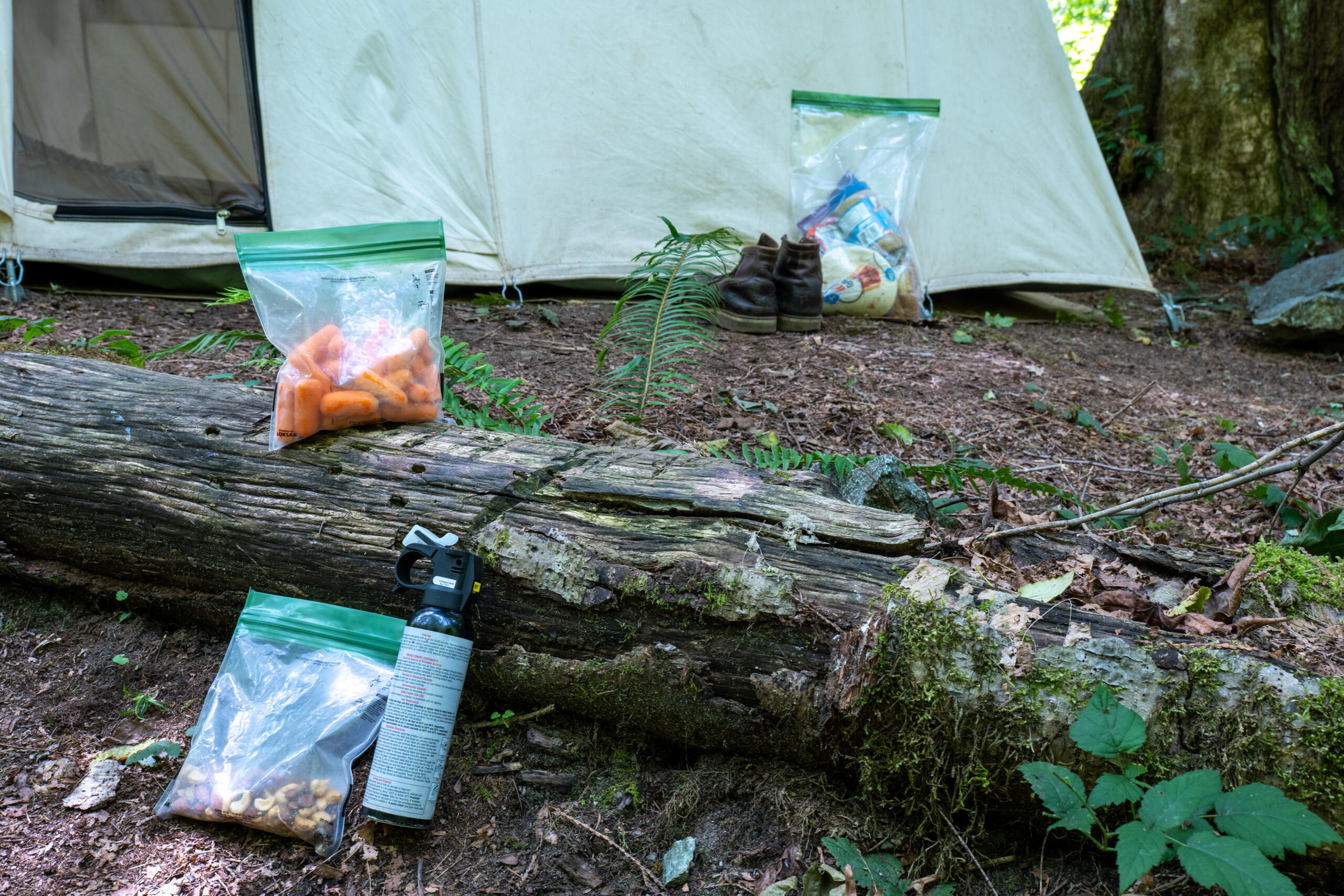
Food and snacks. Anything sweet, cured, or greasy is a strong, easily carried scent. A granola bar, jerky, a sandwich: all of it sits in open air inside your pack the entire sit.
Wrappers and trash. You pack it out, which is right. But it rides in your pack, still off-gassing, until you get back to the truck.
Base layers and extra clothing. A layer you pulled off and stuffed in a pocket, or a spare you brought just in case, has already picked up scent from your vehicle, your house, and your body before it ever goes back on.
Game bags and meat. On a pack-out, this is the single most concentrated scent source of the entire trip, and it’s traveling downwind of everything behind you.
Everything else in the pack. Sunscreen, bug spray, chapstick, hand warmers: none of it is hunting gear in the traditional sense, but all of it has a smell, and all of it travels with you into the stand.
None of these are addressed by a carbon suit or a spray. They’re addressed, if at all, by whatever you happen to be carrying them in.
Why a Sealed Barrier Is a Different Kind of Solution
Most scent control works on a curve. Carbon saturates. Sprays fade. Even scent-free detergent washes out over a season of wear. You’re managing a slow leak, and the best routines just slow the leak down.
A sealed barrier doesn’t work on a curve. It either seals or it doesn’t. There’s no half-sealed, and no fade over the course of a sit. That’s the appeal of building odor-proof storage into your system alongside the scent control you already do on your body.
OPSAK uses a patented double-lock airtight seal, the same seal architecture as LOKSAK’s aLOKSAK line, combined with an odor-barrier film, so once it’s closed, nothing gets in or out. There’s no fade, no saturation point, no half-sealed state to worry about over the course of a sit.
As a proof point on seal integrity, OPSAK is also waterproof to 200 feet. A seal that holds against water pressure at depth is holding just as completely against airborne scent. The same seal is doing both jobs.
Building It Into Your System
The application here is simple, and it’s less about buying gear than about where things go before you leave the house.
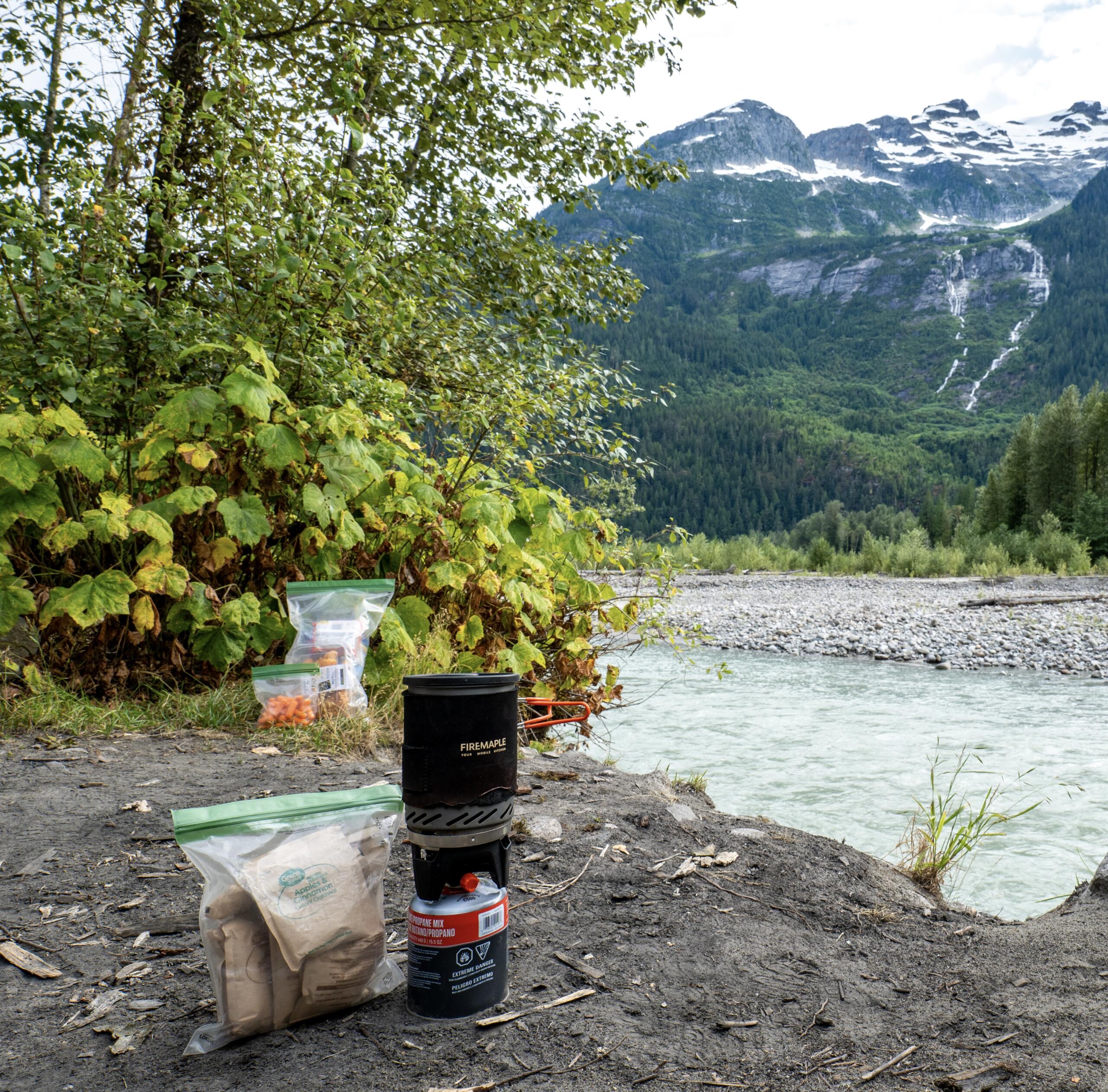
- Pack food sealed, not just bagged. A ziplock slows odor down. A sealed barrier stops it.
- Store clean base layers sealed until you’re actually at the truck or in the stand, so they don’t pick up scent sitting in your pack.
- Keep a dedicated bag for trash and wrappers so they’re not off-gassing against everything else for the rest of the sit.
- Seal it at home, not at the trailhead. If you load up in the garage or the truck, the contents pick up scent before the bag ever closes. Seal clean gear before it leaves the house.
- Match the size to the job. Smaller sizes handle food and personal items; the 12×20 is built for clothing and pack-out duty.
None of this replaces your existing routine. It fills in the part your routine was never built to cover.
What This Doesn’t Replace
Worth being direct here. Sealed storage doesn’t replace wind discipline or playing thermals. Those are still doing most of the work on any given hunt. It’s not a substitute for scent control on your body, and if you’re committed to a carbon suit, this doesn’t compete with it. It closes one specific gap: what you’re carrying in.
If a product claims to solve all of scent control at once, that’s worth being skeptical of. This one solves storage. That’s the whole claim.
Close
Scent control is only as strong as its weakest opening. You can do everything right on your body and still get caught by what’s in your pack. Sealing that part off isn’t a replacement for the rest of your system. It’s the piece most routines are missing.
Seal what you carry. The OPSAK 12×20 handles clothing, game bags, and pack-out duty: airtight, odor-proof, and made in the USA.