Planning a trip into bear country and looking up food storage advice can feel like collecting contradictions. One source says you need a certified canister. Another says hanging is fine if you do it right. A ranger station handout says something else again, and there’s a whole category of odor-proof bags stacked next to the freeze-dried meals at the outfitter that nobody explains clearly.
Bear country food storage is confusing because different places require different things, and most advice treats it as one topic when it’s really two: keeping a bear physically out of your food, and keeping a bear from smelling it in the first place. Here’s how the pieces actually fit together, starting with the part that matters before you buy anything.
Start With the Regulations, Not the Gear
Before comparing products, check the specific rules for where you’re headed. Food storage requirements are set by the land management agency responsible for that land, not by gear reviews or backpacking forums, and they vary. Some national parks and forests require an IGBC-certified hard-sided canister and don’t allow hanging at all. Others permit hanging if it’s done a certain way: distance from the trunk, height off the ground, distance from camp. Some established campsites provide bear boxes, which changes what you need to carry entirely.
This matters because gear that’s right for one trip can be the wrong choice, or against the rules, for another. A canister required in one park’s backcountry isn’t required everywhere. Rules also shift as bear activity in an area changes, so check current regulations for your specific destination before you pack, not what worked on a trip somewhere else a few years ago. Ranger stations and permit offices are the most reliable source for this, more reliable than a product page or a trail forum.
Once you know what’s actually required, the rest of this is about building a system around it.
What a Bear Canister Does
A hard-sided bear canister is a physical barrier. IGBC-certified models are tested against a bear’s strength and dexterity, not just its curiosity, and a bear genuinely cannot get into one on its own. That’s why canisters are required in high-traffic areas where bears have had enough encounters with people’s food that hanging no longer reliably works.
The tradeoff is weight and bulk. A canister adds a fixed amount to your pack regardless of how light the rest of your kit is, and it takes up space that has to be planned around rather than compressed. For trips where one is required, that tradeoff isn’t optional. For trips where it isn’t, it’s worth knowing what you’re trading distance and comfort for.
What Hanging Does, and Why It’s Losing Ground
Hanging food from a tree, done correctly, keeps it out of reach without adding hardware weight. The catch is that “done correctly” is a real skill: the right tree, the right distance from trunk and ground, and more rope than most people think to carry. In areas with heavy bear traffic, bears have learned to defeat poorly hung bags, which is part of why more land managers are moving away from allowing it, or requiring it alongside a canister rather than instead of one. Where it’s still permitted and you’re comfortable with the technique, it works. Where it isn’t, it’s not worth arguing with a ranger about.
The Part Most Advice Skips: Scent
Both of the above solve the same problem from different angles: keeping a bear from physically accessing your food. Neither one addresses what actually draws a bear toward your camp in the first place, which is scent. A bear’s sense of smell operates over distances measured in miles, not feet, and a canister sitting fifty yards from your tent doesn’t stop a bear from investigating, even if it can’t open what it finds once it gets there. That’s how campsites end up with a bear wandering through in the middle of the night, and it’s part of why repeated encounters lead to trail and campsite closures in areas where it keeps happening.
This is the gap that odor-proof storage is built to close, and it’s a separate layer from either a canister or a hang, not a replacement for whichever one your destination requires. A sealed, odor-barrier bag like OPSAK doesn’t keep a bear out of anything on its own. What it does is contain the scent before it becomes an invitation. OPSAK uses a patented double-lock airtight seal and odor-barrier film, the same seal architecture that’s also rated waterproof to 200 feet, a useful proxy for how completely it actually closes. Sealed food goes inside the canister or the hang bag, not instead of it.
What Backpackers Report Using It For
None of this is lab data, and it isn’t meant to be. It’s what backpackers who actually carry this kind of bag into bear country have said in their own words, in reviews on REI.
One reviewer, trashpanda, wrote that the main goal was to “keep smells down to avoid bears” (REI review), after loading a couple of bags with strong-smelling food to test them before a longer trip. Another, Stillshot, described years of using them as a food bag, watching local wildlife give it “nothing more than a passing sniff” (REI review) rather than any real interest. A reviewer in Utah, mkillpack, uses the bags specifically because chipmunks had been tearing into stuff sacks to reach oatmeal packets, and reported no further problems after switching. And in a story that has nothing to do with bears but says a lot about seal integrity, a reviewer named Kelly described sealing a skunk-soaked dog backpack inside a 12×20 bag and finding “I could not detect any skunk odor at all” (REI review) once it was closed.
These are individual accounts, not a controlled test, but they’re consistent with each other, and they’re coming from people with no reason to say anything other than what actually happened.
Putting Together a Bear Country Food Storage System
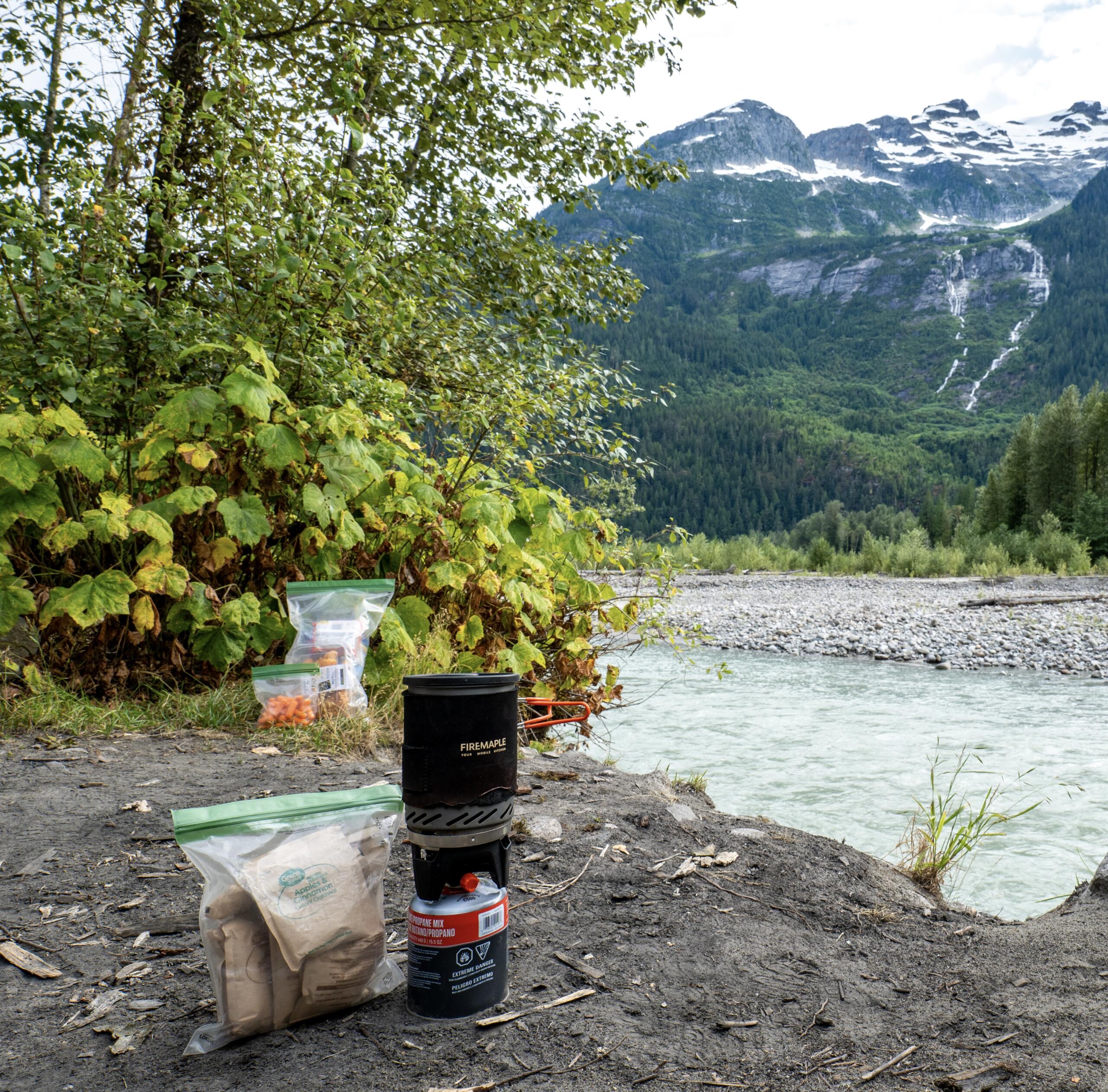
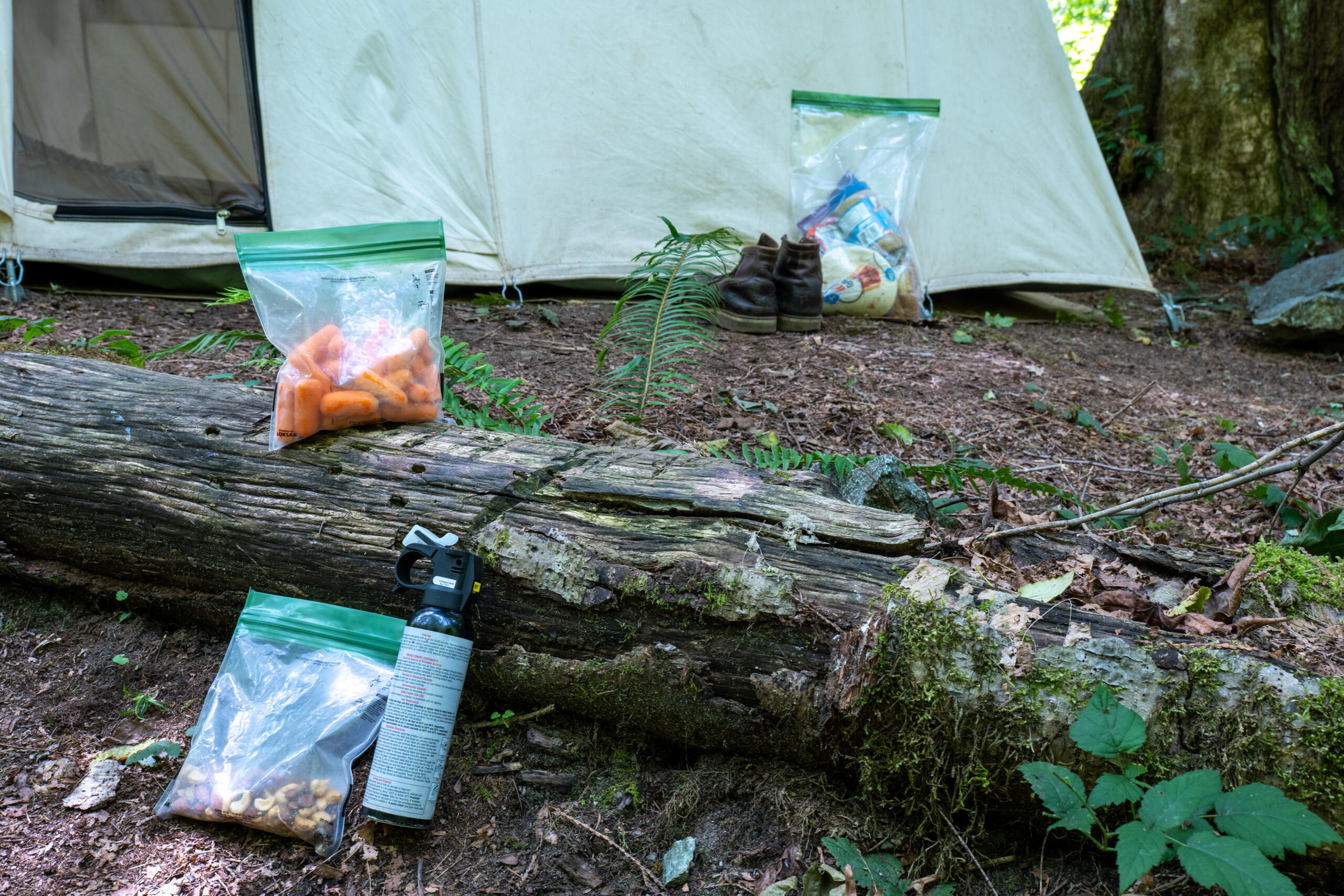
In practice, this means layering rather than choosing one method. Start with whatever your destination requires, canister, approved hang, or bear box, since that part isn’t optional. Then seal food, and anything else that smells (toothpaste, trail snacks, wrappers), inside an odor-proof bag before it goes into whichever storage method you’re using. Pack a separate bag just for trash, so wrappers aren’t sitting loose in your pack all day. Seal everything before you leave home rather than at the trailhead, so contents don’t pick up scent from the car ride in.
Size matters here more than it might seem. The 9×10 handles a few days of food and toiletries for one person; larger groups or longer trips lean toward the 12×20 for the same reason a bigger pack needs a bigger stuff sack.
What This Doesn’t Replace
Worth being direct about this. An odor-proof bag is not a certified bear canister and doesn’t meet the standard one is held to. It doesn’t replace a required canister anywhere one’s mandated, and it isn’t tested or certified as bear-resistant hardware. What it does is reduce the chance a bear investigates your camp in the first place, which is a real and useful thing, just a different thing than what a canister does. Follow your destination’s actual requirements first. This fits in alongside them, not instead of them.
Close
Bear country food storage isn’t really one decision. It’s several layered together: what’s legally required, what physically blocks access, and what keeps the smell from ever becoming a draw. Most guides only cover the first two. The backpackers reviewing these bags on REI have clearly been managing the third one for years, on their own, trip after trip.
Add one more layer to your food storage system. The OPSAK 9×10 seals food and trash airtight, and packs down to next to nothing.